
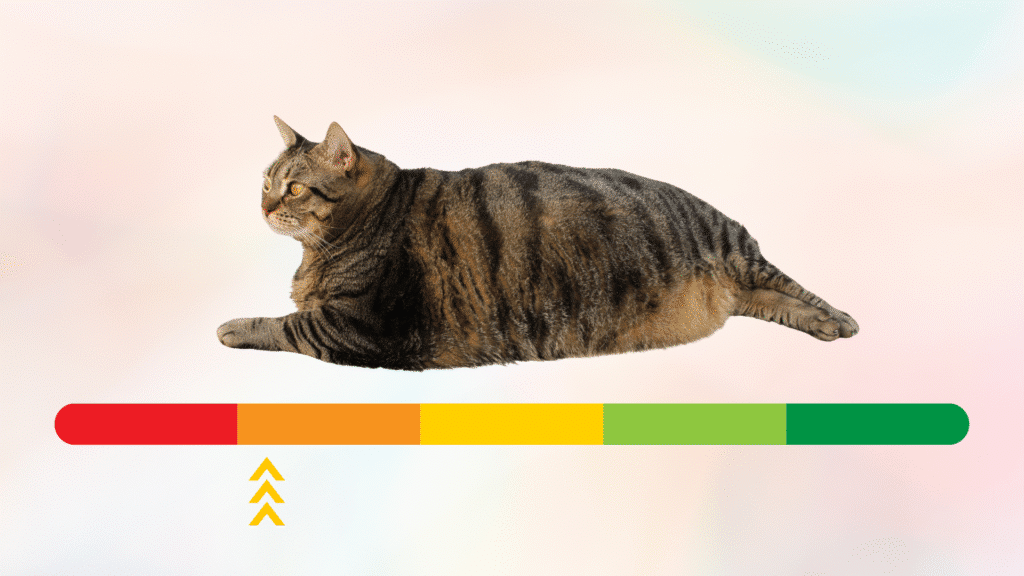
Your cat may look a little rounder than usual, feel heavier when picked up, or seem less interested in jumping onto a favorite perch. Those changes often leave owners wondering whether they have an overweight cat or simply a naturally stocky feline.
For cat owners in Arab, AL, body weight is only one piece of the picture. Body condition, eating habits, activity level, age, and overall health all deserve consideration when evaluating weight.
Why Excess Weight Deserves Attention
Extra pounds place additional stress on a cat’s joints and may make running, jumping, grooming, or playing more difficult. An overweight cat may face an increased risk of diabetes, arthritis, urinary concerns, and other health problems. Lower activity levels may then contribute to further weight gain. Maintaining an appropriate body condition supports mobility, comfort, and long-term quality of life.
Common Reasons Cats Put on Extra Pounds
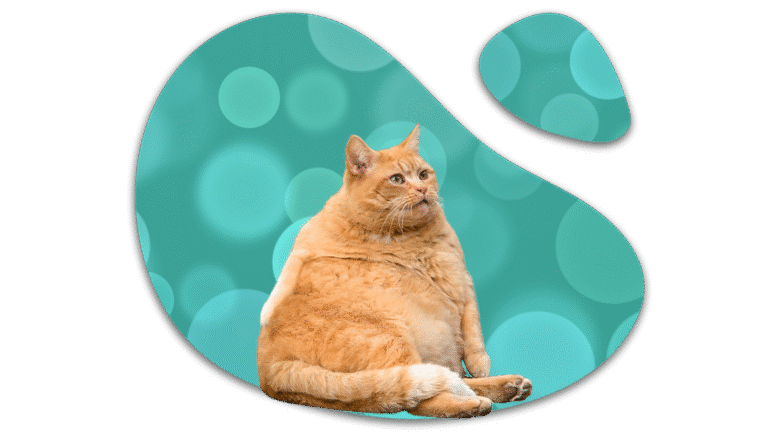
Food portions play a major role in feline weight, particularly when meals and treats provide more calories than a cat uses each day. Limited physical activity may contribute, especially for indoor cats with quieter routines. Age, medications, neuter status, and certain medical conditions may influence appetite, metabolism, or body weight as well. Before placing an overweight cat on a restrictive feeding plan, owners should discuss nutrition and health history with their veterinarian.
Is Your Cat at a Healthy Body Condition?
A scale provides useful information, though body shape gives owners another way to monitor changes. At an appropriate body condition, a cat’s ribs should generally be easy to feel beneath a light layer of fat, with some definition at the waist when viewed from above. A rounded abdomen, disappearing waist, or ribs that are difficult to feel may indicate excess body fat. A feline body condition scoring guide provides a visual reference for assessing body shape at home.
When Weight Changes Call for a Vet Visit
Steady or unexpected weight gain is worth discussing with a veterinarian, particularly when it occurs alongside changes in thirst, appetite, grooming, energy, or mobility. A veterinary exam at Arab Veterinary Hospital gives the vet team an opportunity to evaluate body condition and consider possible factors behind the change. An individualized approach gives an overweight cat a safer, more appropriate path toward weight management.
Three Practical Habits for Healthier Weight Management
- Measure each meal instead of estimating portions, while remembering to account for treats and snacks.
- Encourage daily movement through interactive toys, climbing opportunities, and short play sessions suited to your cat’s fitness level.
- Avoid drastic diet changes or online weight-loss trends, and speak with your veterinarian about appropriate portions, nutrition, and weight goals.
Supporting Your Overweight Cat in Arab, AL
Arab Veterinary Hospital serves cats and other animals from Arab, Cherokee Ridge, Guntersville, and Baileyton, with services that include veterinary care, grooming, and boarding. If you are concerned about an overweight cat, schedule an appointment to discuss your pet’s body condition and overall wellness.